
ABOUT ME
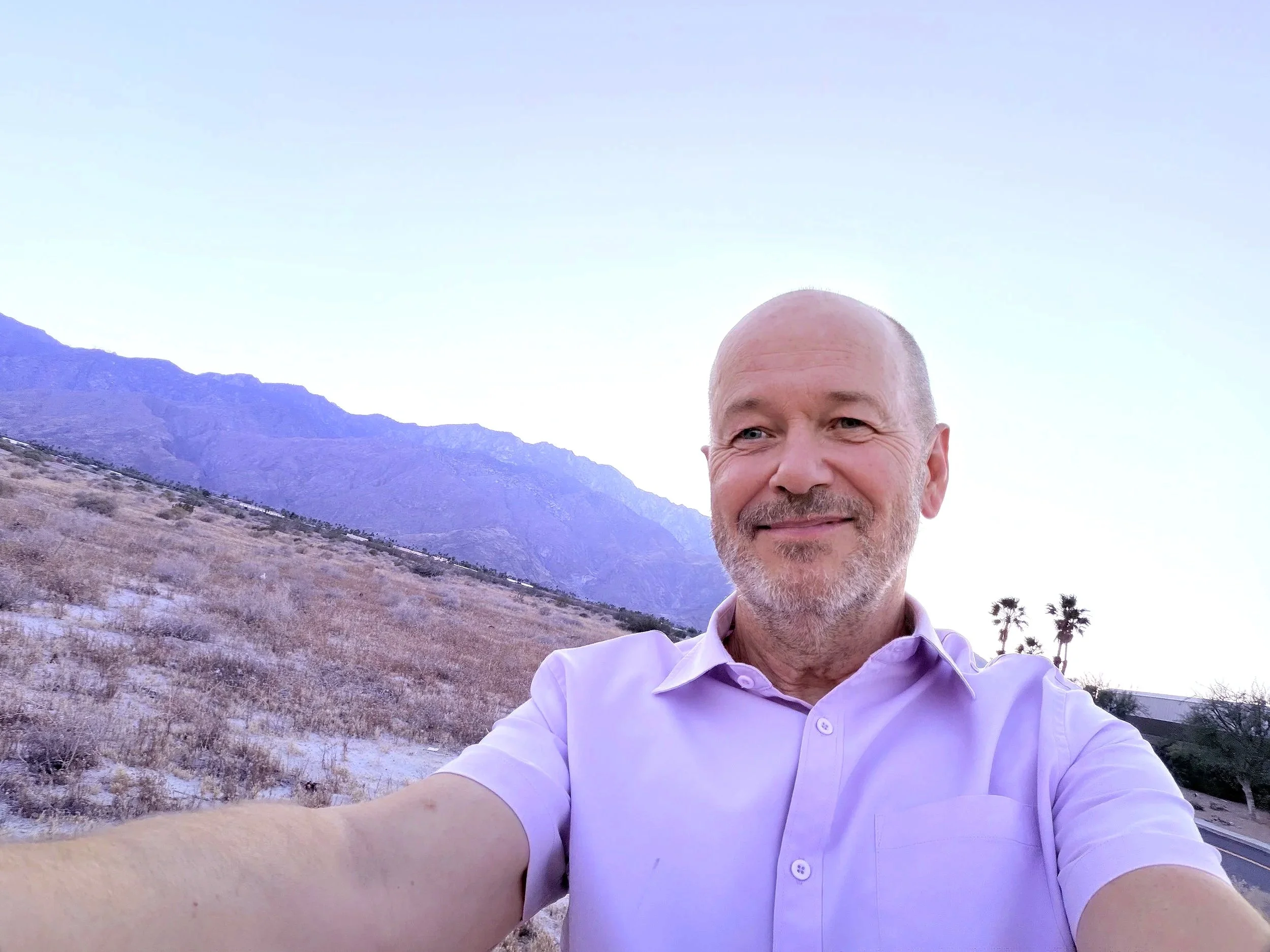
I Didn’t Plan to Reinvent My Life at 61
A life-threatening illness in 2024 became a wake-up call that forced me to rethink what mattered most. After spending decades helping others navigate transition, I suddenly found myself facing one of my own.
Discovering My Life’s Work
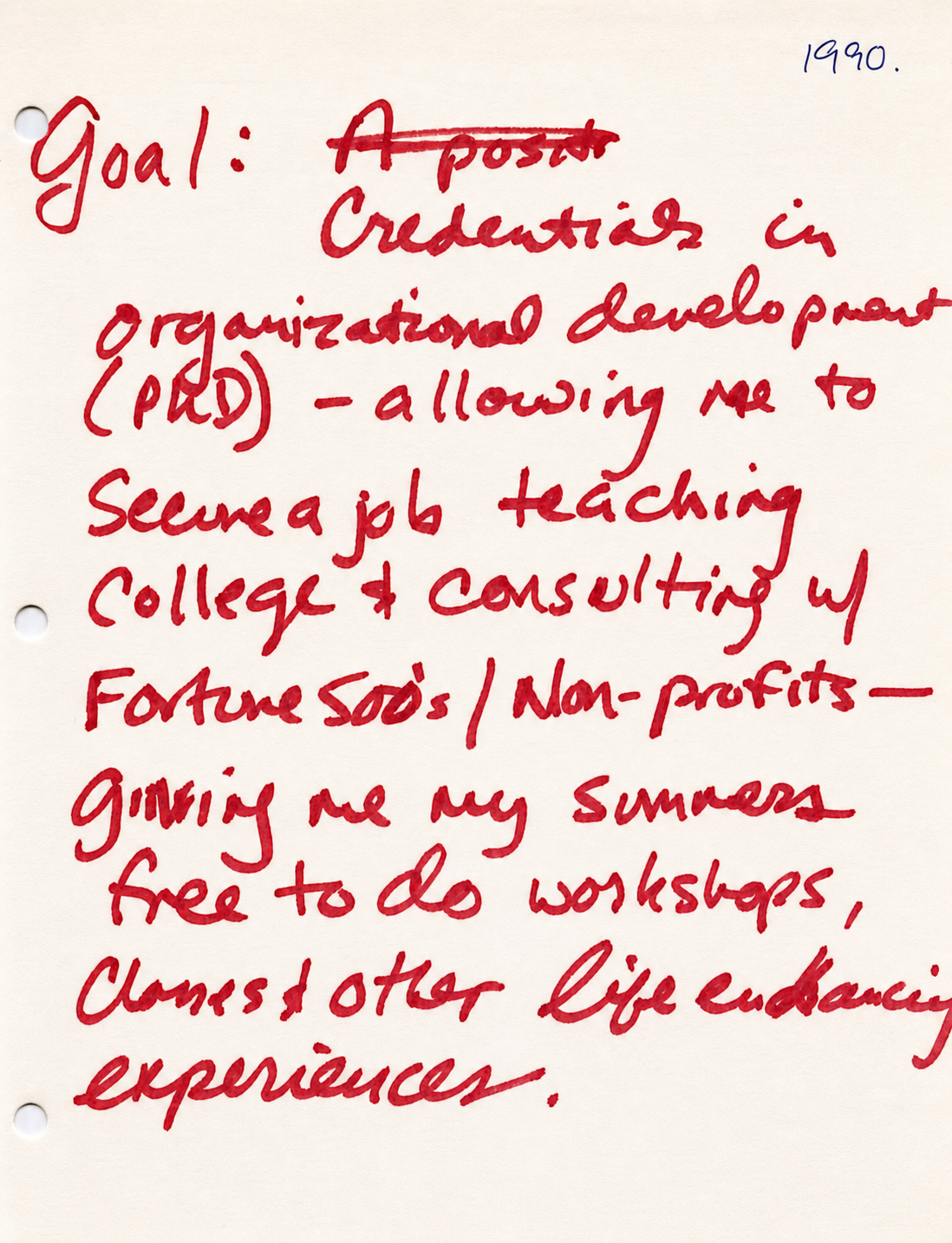
I began my career in Washington, DC as a financial analyst and software developer with Gannett. I loved solving complex problems and building systems, but over time I realized something important: while I enjoyed developing software, what truly energized me was helping people grow.
That realization sent me on a search for work that felt more aligned with who I was. Along the way, I discovered Working From the Heart, a book by two Washington-area authors that challenged me to think differently about vocation and purpose. Their ideas led me to enroll in the Life Direction Laboratory, a nine-month journey designed to help people discover the work they were meant to do.
The experience became a turning point in my life. It helped me articulate a personal vision that has guided every chapter of my career since:
To help people discover their potential, navigate life’s transitions, and create lives and careers filled with purpose and meaning.
That vision led me away from software development and into leadership development, executive coaching, and, ultimately, retirement coaching. Looking back, I wasn’t changing careers as much as I was discovering the work I was always meant to do.

9/11 Career Disruption
I launched my coaching practice in 2001, initially helping hospitality leaders recover from the devastating career disruptions following the 9/11 terrorist attacks. Many had spent decades with one employer and suddenly found themselves questioning not only their careers, but also their professional identity and future.
Over time, my work evolved into executive coaching, partnering with newly promoted executives and newly hired leaders navigating high-stakes transitions. Again and again, I witnessed how challenging reinvention can be—even for highly successful people.
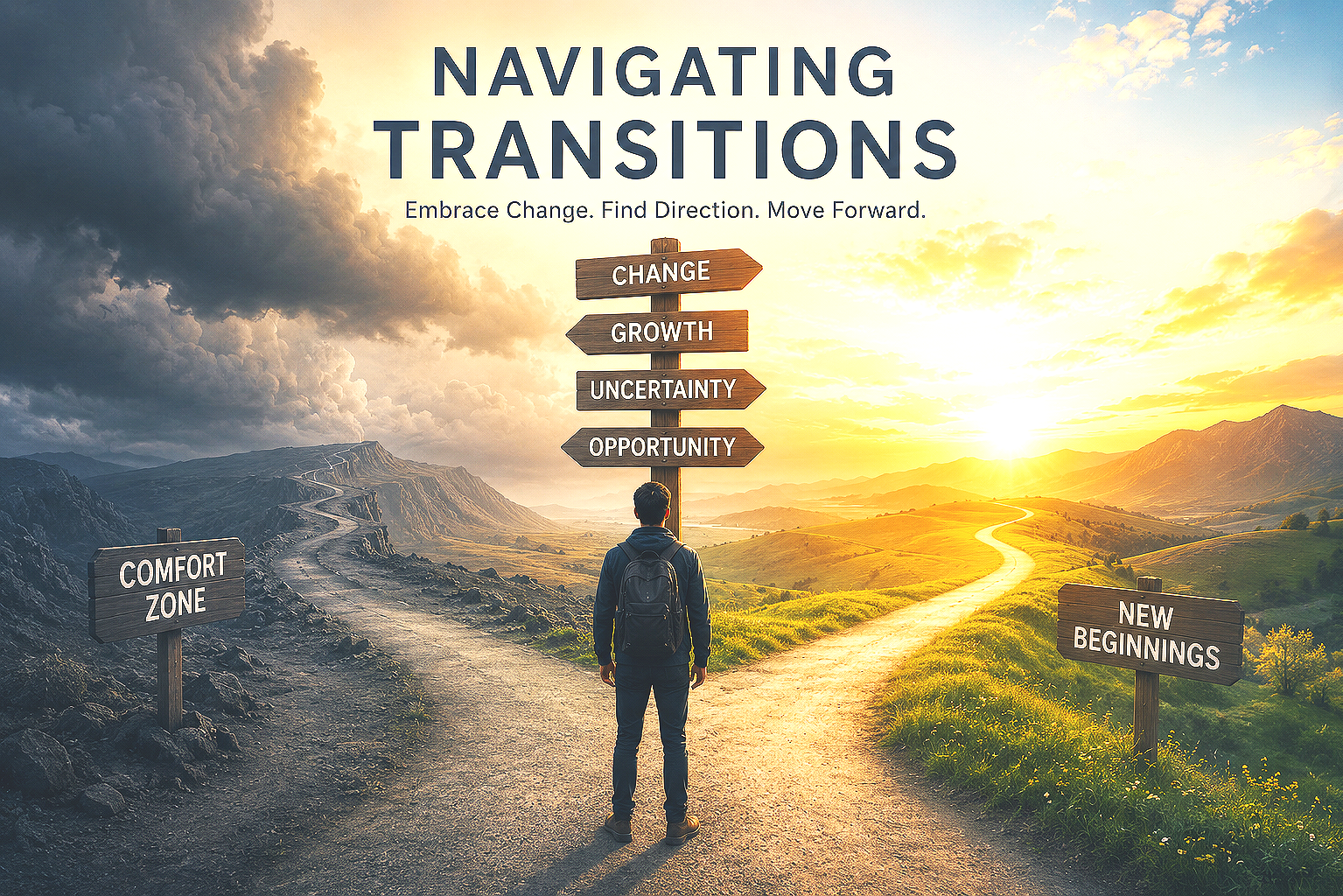
Those experiences reinforced a lesson that would shape the rest of my career: major life transitions are rarely just about changing jobs. They often require us to redefine who we are.
A Career Helping People Navigate Transition
Over the next twenty-five years, I coached executives, physicians, healthcare leaders, public-sector executives, and organizations through promotions, new leadership roles, organizational change, mergers, and career transitions.
I saw firsthand that success often depends less on technical expertise than on the ability to adapt and reinvent.

What Hospice Taught Me About Presence
One of the most meaningful experiences of my life began after my mother died in 1996. Like many families, we were unprepared for the emotional and practical realities of the end of life. Her death left me with a deeper appreciation for how important compassionate support can be during life’s most difficult transitions.
In the years that followed, I volunteered with a local hospice in Washington, DC, spending time with people in the final weeks and days of their lives. My role wasn’t to provide medical care or solve their problems. It was simply to be present—to listen to their stories, share moments of connection, and support them and their families during an extraordinary chapter of life.
Those experiences changed me.
I came to understand that the most meaningful support we can offer another person isn’t always advice or solutions. Sometimes, it’s the willingness to slow down, truly listen, and create a space where people feel seen, heard, and understood.
That lesson has shaped the way I coach ever since.
Whether I’m working with a newly promoted executive, someone recovering from job loss, or an individual designing their retirement, I believe lasting change begins with understanding the person before trying to solve the problem.

Chasing a Different Life in California
In my late 40s, I realized I had spent years postponing a dream of living on the West Coast. Both of my parents were originally from California, and I felt increasingly drawn toward the lifestyle, beauty, creativity, and sense of possibility I experienced there.
I began experimenting with the idea by spending one week each month in Palm Springs — living as though I already belonged there. Each visit helped me imagine a different kind of future.
I became captivated by Palm Springs — its mid-century modern design, mountain landscapes, artistic spirit, and rich cultural history shaped by figures like Frank Sinatra and the Rat Pack.
Living in Palm Springs — one of the retirement capitals of the world — I’ve watched countless people arrive here after successful careers, only to discover they never truly planned for retirement beyond finances. They knew how to work. They weren’t sure how to build a life. Some end of leaving, others go back to work.
As I began designing my own third act, I recognized a major gap in the retirement conversation. Most financial planning focused almost entirely on money, while overlooking equally important questions:
Who am I without work?
What gives me purpose?
How do I stay connected, energized, healthy, and fulfilled?
That realization led me to complete my certification as a retirement coach through the Retirement Coaches Association and launch Retirement by Design Coaching.
Today, I help people approach retirement not simply as the end of a career, but as an opportunity to intentionally design a life they are excited to wake up to each day.

What Palm Springs Taught Me About Retirement
Living in Palm Springs — one of the retirement capitals of the world — gave me a front-row seat to the realities of retirement.
I met people who had achieved remarkable success in their careers. Physicians. Executives. Entrepreneurs. Public servants. People who had spent decades building meaningful professional lives and financial security.
Yet many quietly struggled with a question they never expected to face:
What now?
I began noticing a pattern. Many people had carefully planned the financial side of retirement, but far fewer had intentionally designed the emotional and psychological side of it.
They knew how to work. They weren’t always sure how to build a life.
Some felt restless. Others felt disconnected or unexpectedly adrift after leaving careers that had shaped their identity for decades. Some eventually returned to work — not because they needed the income, but because they missed the structure, meaning, relationships, and sense of contribution their work had once provided.
One of the things I began noticing while walking through Palm Springs was how many retirees gathered at outdoor restaurants and bars in the late afternoon for the “first cocktail of the day.” At first, it seemed like a simple social ritual. But over time, I realized it represented something deeper: a search for connection, belonging, conversation, and community.
Retirement often creates enormous freedom — but it can also quietly remove many of the built-in relationships and routines that once structured our lives.
The more I observed these experiences — and reflected on my own evolving journey — the more I realized that retirement is not simply about stopping work.
It’s about creating a life that feels purposeful, energizing, connected, and deeply fulfilling.

Why I Established Retirement by Design Coaching
My health crisis in 2024 forced me to confront something I had intellectually understood for years, but had never felt so personally and viscerally:
Life is precious.
Time is finite.
And the years ahead deserve to be lived consciously and intentionally.
As I recovered and began reflecting more deeply on my own future, I realized that retirement is one of the few moments in life when people are given an opportunity to step back and consciously redesign how they want to live.
Yet many people enter this chapter carrying identities, routines, and habits built for a career-focused life — without fully considering what will bring them purpose, vitality, connection, fulfillment, and meaning once work no longer defines their days.
For decades, I had helped leaders navigate transition, reinvention, and identity change. Now, I found myself navigating those same questions personally.
Who am I without work?
What gives my life meaning and purpose?
Who do I want to become in this next chapter of life?
How do I want to spend my time?
What relationships, experiences, and priorities matter most now?
That journey ultimately led me to become a Certified Retirement Coach through the Retirement Coaches Association and create Retirement by Design Coaching.
I believe retirement is not simply about stopping work. It is an invitation to live more deliberately, more meaningfully, and more fully aligned with what matters most.
Because the best retirements aren’t accidental. They’re designed.